
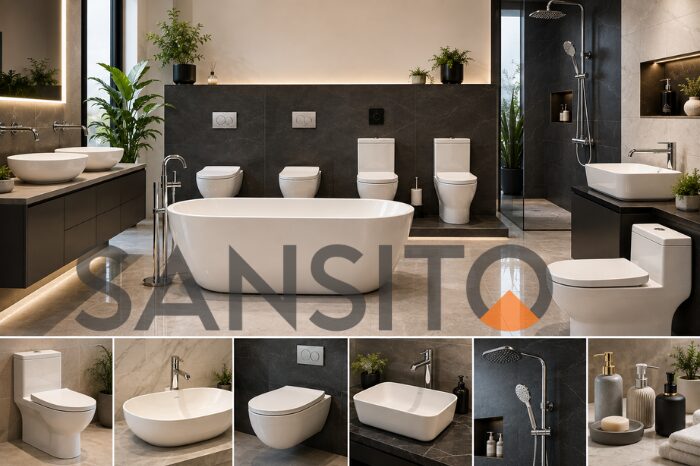
The Semiotics of Sanitaryware Brands in India
A bathroom tells more than just a story. The form of a basin, the colour of a toilet, the finish of a tap, even the way products are displayed are factors that can have an impact on the perception of a space. These visual decisions have their own language! As bathrooms transform into meticulously designed extensions of the house, it is becoming crucial for sanitaryware brands in India to understand this language.
It is here that the study of signs, symbols and meanings (called semiotics) provides an interesting insight into modern sanitaryware.
Shapes Communicate Character
The shape of a sanitaryware can instantly evoke a specific design approach. While soft lines can evoke a sense of comfort and approachability, sharp geometric lines can impart precision and modernity.
There doesn’t have to be an explanation to go with the shape. People can form an impression just from looking at the product.
As a result, product geometry is a part of the visual communication for brands.
Colour Has a Vocabulary
White has been an iconic material in sanitaryware, due to its connotations of cleanliness and simplicity. Today, however, bathrooms are being filled with various tones, finishes and coloured fixtures.
Blacks can be matte, giving an architectural effect, or earthy or muted, conveying warmth and naturalness.
As colours are being broadened, they provide more colour choices to the Indian brands of sanitaryware, to express personality.
Finish Changes the Meaning
Surface finishes can produce an entirely different effect on the same product. The shiny ceramic may be classic and shiny while the matte finish may seem contemporary.
The perceived quality can also be affected by the texture. Smooth surfaces can convey refinement while tactile finishes can impart a sense of craftsmanship or natural inspiration.
The surface then becomes more than just a technical requirement.
The Bathroom Has Become a Visual System
Consumers seldom consider sanitaryware products as stand-alone products. The basin is looked at in conjunction with mirror, countertop, tiles, lighting, storage and other fixtures.
This forms a visual system in which each product becomes a part of a bigger message.
The environmental consistency of the bathroom can be achieved by a brand that designs collections in a uniform manner, in terms of form, colour and finish.
Showrooms Speak Without Words
Presentation is also a factor in the meaning of sanitaryware. The same product can project a different image in a showroom with high lighting versus a showroom with a low lighting level in a stylish bathroom.
The way things are set up in the showroom, the product mix, lighting, signs, and visual merchandising all affect how the brand is perceived.
The surrounding things can then be a part of the product’s story.
Packaging Extends the Language
A brand’s communication doesn’t end at the showroom. Visual identity is strengthened through packaging, catalogues, brochures, the website and product photography.
Familiarity can be established throughout the customer journey via consistent typography, imagery, colour palettes and product presentation.
This uniformity plays a crucial role in making individual sanitaryware products into identifiable brand expressions for brands in India.
Architecture Influences Interpretation
The use of a sanitaryware product varies according to the surrounding architecture. A simple basin might be out of step with the concrete and glass design of a room, but not so much in a traditionally designed room.
An architect or interior designer must understand the relationship between product and architecture.
The product is not a communicator. The surrounding space plays a role in the interpretation.
Heritage and modernity can go together
Indian design is rich in vocabulary that revolves around craft, colour, geometry, ornamentation and region. Modern sanitaryware can be inspired by these influences but not necessarily reproduced in historic design.
A modern product could feature subtle touches of colour, organic shapes or references to material that remind of Indian design but still looks modern.
This makes a bridge between familiarity with the culture and modern aesthetics.
Consumers Are Reading More Than They Realise
Most buyers won’t actually say, “I like the semiotic use of visual language. Most buyers are not going to say, “I like the semiotic use of visual language. They react instinctively to these signals, however.
Before the customer looks at the technical specifications of the product, it can seem premium, minimal, traditional, playful, architectural, functional, and more.
That first gut feeling can impact which products are given a second look, which brands stick in people’s minds.
The future of sanitaryware branding
Visual communication will be even more crucial as bathroom facilities are made more personal. Consumers will likely see even more colours, shapes, textures, smart technology and combinations thereof.
This opens up opportunities for sanitaryware brands in India to create identities beyond just the logo and advertising. Sometimes, the product itself can be the biggest statement of a brand.
Final Words
The semiotics of sanitaryware brands in India highlights that bathroom products convey much more than just words. Meaning is created by shape, colour, finish, proportion, presentation, packaging and architectural context.
The Indian bathroom is now becoming more design-focused, and brands that are cognizant of this language are developing products that don’t just serve a purpose. They can set the tone and convey a design philosophy, and they can become recognizable elements of the environments they fill.

0 comments